
Avoiding Vendor Lock-In: Ensuring Flexibility in Your LIMS Integration Strategy

LIMS vendor lock-in can trap laboratories into staying with systems that are outdated, expensive, or no longer fit their needs, and may happen due to the high costs of migrating data, the use of proprietary data formats or due to SOPs, custom scripts and integrations being tied deeply into the current LIMS. When proprietary integration […]
The Role of LIMS Integration in Laboratory Compliance
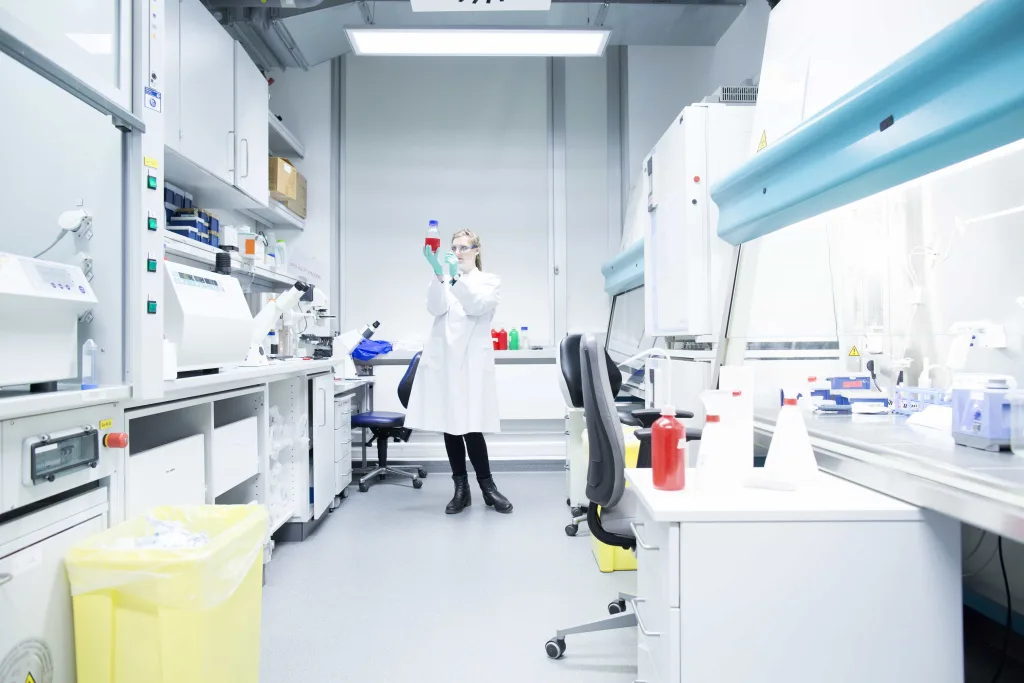
Laboratories in regulated industries face scrutiny from regulatory agencies and ISO audit bodies, some of whom issue warning letters, halt operations, or invalidate studies. Comprehensive LIMS solutions help turn scattered manual processes into automated, traceable workflows that satisfy regulators while improving laboratory efficiency. Below, we cover how integrating LIMS with instruments helps labs meet compliance […]
What Is SDMS Software and Why Every Modern Lab Needs It
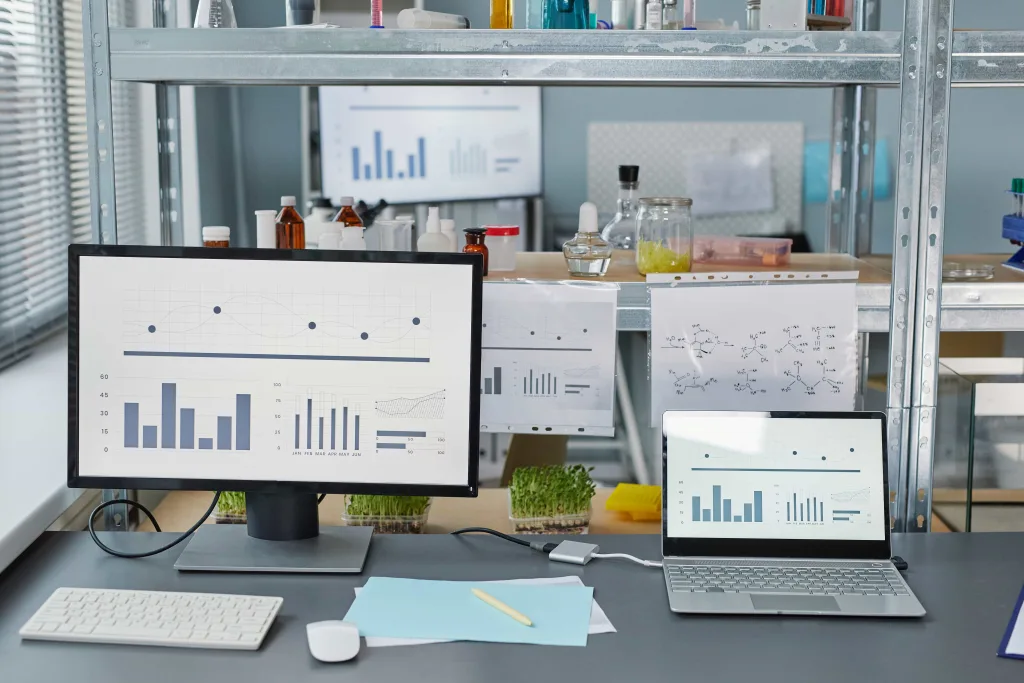
Modern laboratories generate exponential amounts of data daily, from high-resolution microscopy images to complex analytical instrument readings. Managing this data effectively has become a critical challenge for scientific organizations. Scientific Data Management Systems (SDMS) have emerged as essential tools for addressing this complexity. What Exactly Is SDMS Software? Scientific Data Management System software serves as […]
Data Integrity in the Digital Lab: Establishing Audit Trails for Raw Scientific Data

Data integrity remains one of the most critical concerns for modern laboratories. The ability to establish comprehensive audit trails for raw scientific data determines compliance success, the reliability of clinical research outcomes, and the validity of analytical results. Below, we explore the essential components of effective audit trails, including metadata capture, timestamped user actions, and […]
A Step-by-Step Validation Checklist for CDS and LIMS Integration

Chromatography Data Systems generate critical analytical data that forms the foundation of quality decisions in laboratories in critical areas such as pharmaceutical, biotechnology, and contract testing. Connecting this analytical platform with your Laboratory Information Management System creates seamless workflows that eliminate manual data transfer errors and strengthen regulatory compliance. However, regulated laboratories must approach this […]
How to Implement a LIMS Succesfully

Laboratory Information Management Systems transform laboratory operations, but successful implementation requires careful planning and strategic execution. Organizations that approach LIMS deployment systematically avoid common pitfalls and achieve faster time to value. This systematic approach also minimizes disruption to daily operations. Below, we explore essential steps for successful LIMS implementation, from initial requirements gathering through post-deployment […]
LIMS for Small Labs – What Features Are Essential?
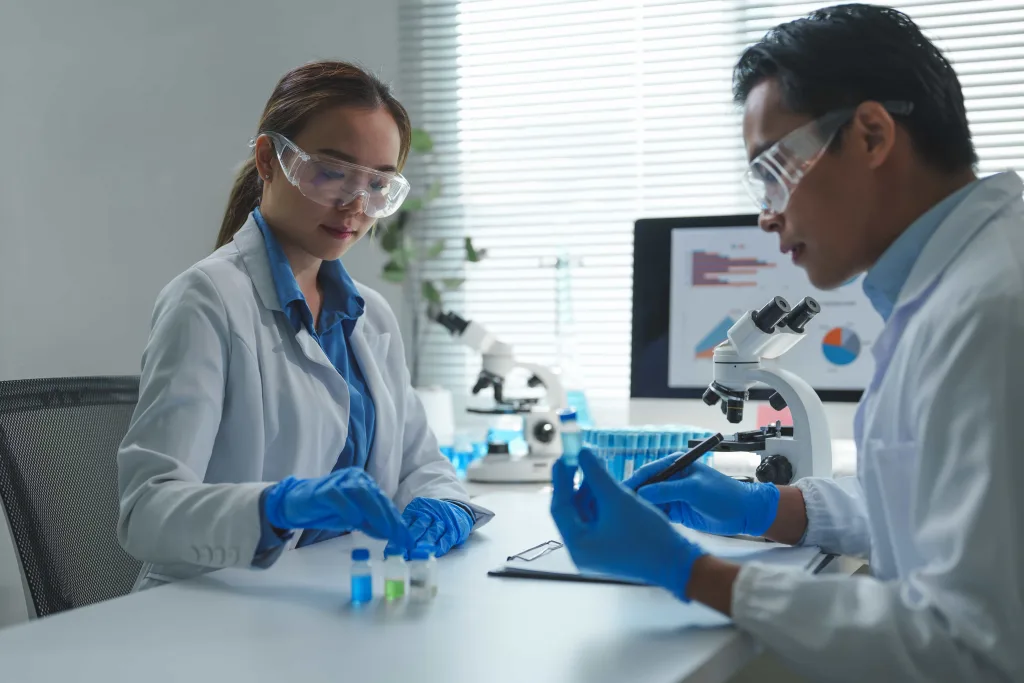
Small laboratories require the same data management capabilities as larger facilities but with limited budgets, fewer staff, and minimal IT support. A LIMS system for small laboratories must deliver core functionality without overwhelming complexity or incurring excessive costs. The right features help determine whether software enhances operations or becomes costly shelfware. Small laboratories need systems […]
Everything You Need to Know about GxP Compliance
GxP compliance provides the essential rules and standards that guide safety-critical industries such as pharmaceutical, biotechnology, food and beverage, agriculture and chemical manufacturing operations from start to finish. This framework of Good Practice regulations determines whether products reach the market or are rejected, and it also governs how laboratories develop, test, and manufacture products that […]
What Makes a Great Computer Systems Validation Plan?
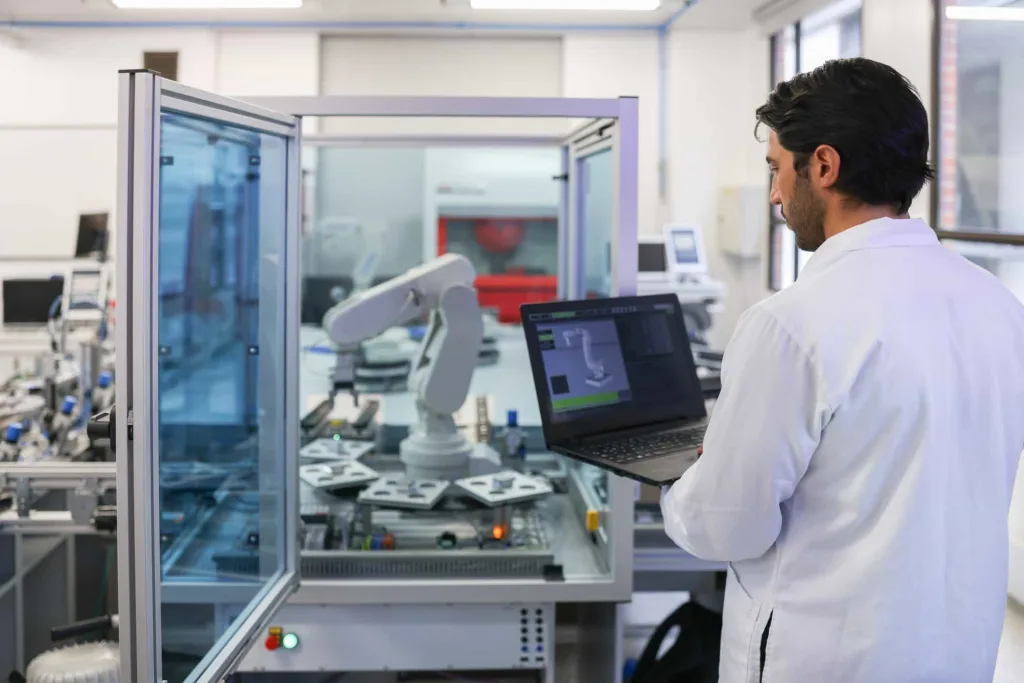
A validation plan for computerized systems is a critical foundational component of a broader quality management system (QMS) and overall compliance strategy. Every computerized system used to transfer, manage, store or process data in your lab, from LIMS platforms to simple spreadsheets, requires documented validation that demonstrates it consistently delivers accurate and reliable results. Getting […]
What is a Scientific Data Management System?
A Scientific Data Management System (SDMS) is software that captures, organizes, and stores the data generated by a laboratory. Think of it as the central nervous system for a laboratory’s information, turning isolated data points from instruments, experiments, and analyses into searchable, usable scientific knowledge. At its core, SDMS software is the platform that ensures […]