
Industries and Applications
Environmental laboratories face unique challenges in managing complex data from diverse analytical instruments while maintaining strict regulatory compliance. From monitoring water quality to analyzing soil contamination and tracking air pollutants, environmental labs require integration solutions that can handle multiple data types, ensure complete traceability, and support long-term archival requirements.
Splashlake’s vendor-neutral platform transforms how environmental laboratories capture, manage, and leverage their critical scientific data.
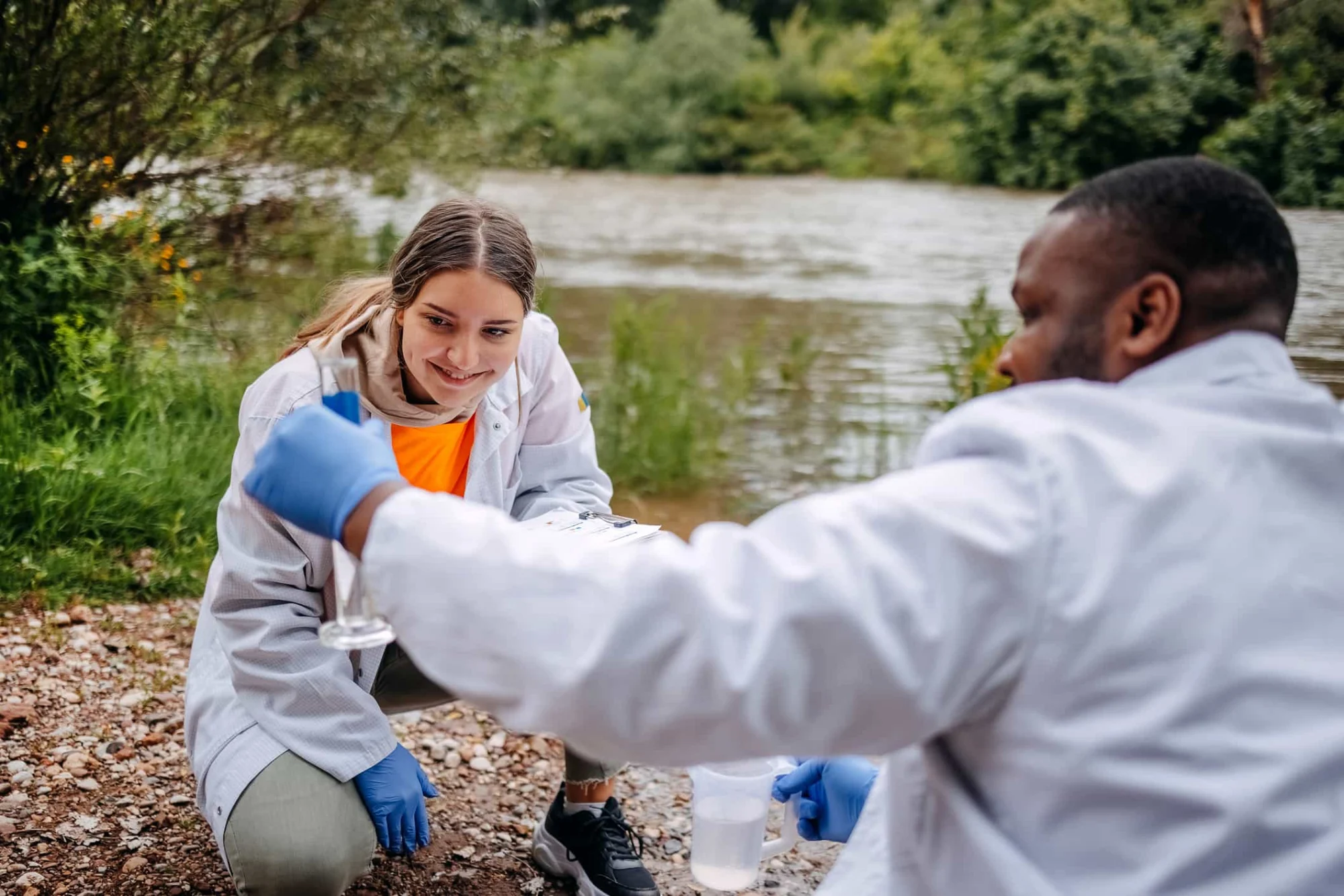
Environmental testing generates vast amounts of data from various sources including chromatography systems, mass spectrometers, pH meters, balances, and continuous monitoring sensors. Manual data transcription between instruments and Laboratory Information Management Systems (LIMS) creates bottlenecks, introduces errors, and consumes valuable time that scientists could spend on analysis and interpretation.
Environmental laboratories must demonstrate complete data integrity to regulatory bodies, requiring comprehensive audit trails and metadata preservation that extends far beyond simple results reporting. Integration between LIMS, ELN, and all instruments through a single interface secures this data integrity and compliance, eliminating transcription errors while maintaining complete traceability.
The complexity increases when laboratories operate mixed-vendor environments, where each instrument manufacturer adopts proprietary software and data formats. Traditional integration approaches often require custom scripts, mapping rules, and orchestration workflows for each instrument connection, creating a fragile ecosystem that breaks with software updates and struggles to scale with laboratory growth.
Splashlake delivers productized integration that connects your entire laboratory ecosystem through a convention-over-configuration approach. This methodology eliminates the need for custom code, scripting, or complex orchestration workflows, providing environmental laboratories with reliable, repeatable integrations that scale effortlessly.
The platform’s vendor-agnostic architecture ensures seamless connectivity across all instrument types and manufacturers, from simple pH meters to sophisticated analytical systems. Through bi-directional integration, worklists flow directly to instruments while results return automatically to your LIMS or ELN, freeing scientists for more value-added analytical tasks rather than manual data entry.
Environmental laboratories work with diverse data types that traditional integration solutions struggle to accommodate. Splashlake’s comprehensive platform manages six distinct data categories essential to environmental testing:
Files – Complete raw data files from analytical instruments, preserved in their original format alongside standardized, future-proofed versions that remain accessible without proprietary software
Simple instrument data – Direct readings from balances, pH meters, conductivity probes, and other basic laboratory equipment, automatically captured and contextualized with relevant metadata
Time series data – Continuous monitoring from environmental sensors, automated sampling systems, and monitoring stations, enabling trend analysis and regulatory reporting for parameters like temperature, dissolved oxygen, and turbidity
Metadata – Automatically extracted instrument parameters, sample information, and method details that provide complete experimental context and support regulatory compliance
Relational data – Complex relationships between samples, batches, locations, and testing protocols that environmental labs must maintain for chain of custody and quality assurance
Chemical structures – Molecular information for contaminant identification and tracking, essential for environmental fate studies and remediation planning
Splashlake’s productized approach means proven, trusted integrations based on years of experience serving scientific organizations. When environmental laboratories add new instruments or software systems, connection happens in days rather than months. The platform’s flexible deployment options support cloud, on-premises, or hybrid configurations, allowing laboratories to align with organizational IT strategies while maintaining control over their data.
For legacy equipment common in environmental labs, Splashlake enables full connectivity through IoT hardware devices supporting RS232, RS422, and USB connections. Through Python notebooks, the platform provides an interactive environment for exploring data, prototyping analytical methods, and sharing results, enhancing collaboration across environmental teams.

Environmental data gains value through advanced visualization and analysis capabilities. Splashlake brings together vast amounts of data across multiple formats from both current and legacy sources, providing an ideal resource for machine learning applications that can predict contamination patterns or identify pollution sources without extensive sampling.
By collating environmental data over time, organizations can understand the long-term impact of pollutants, track remediation effectiveness, and make data-driven decisions about environmental protection strategies. The platform’s integration with leading systems including LabWare LIMS and LabVantage LIMS streamlines workflows while maintaining the complete data story required for environmental compliance and decision-making.
Transform your environmental laboratory’s data management with Splashlake’s refreshing approach to scientific integration. Contact us today to discover how our vendor-neutral platform can enhance your laboratory’s efficiency, ensure regulatory compliance, and unlock the full potential of your environmental data.
We'll only use your details to respond to your inquiry.