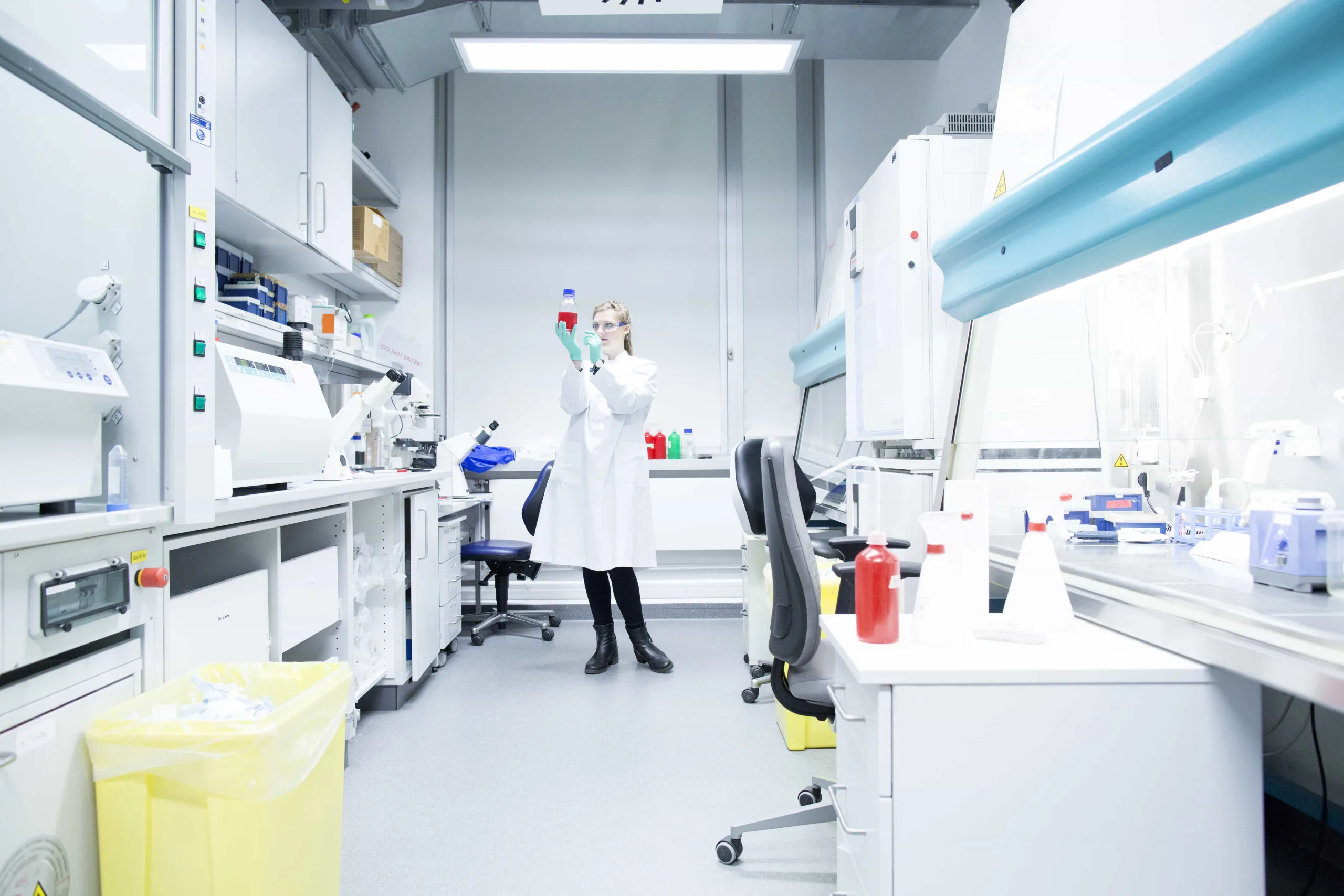
Modern laboratories operate with an increasingly complex ecosystem of analytical instruments, each generating distinct data types and formats. From mass spectrometers producing intricate spectral files to simple pH meters recording single measurements, the diversity of laboratory equipment creates significant integration challenges that impact operational efficiency and data utility.
The proliferation of specialized instruments from multiple manufacturers compounds these challenges, with each vendor often employing proprietary data formats and communication protocols. This fragmentation prevents laboratories from achieving the seamless data flow necessary for comprehensive analysis and regulatory compliance.
Why Do Modern Laboratories Struggle with Instrument Diversity?
Contemporary scientific laboratories house equipment spanning multiple generations of technology, from cutting-edge analytical platforms to legacy instruments that remain essential for specific applications. This technological diversity creates a complex integration landscape where newer cloud-ready systems must coexist with older instruments that communicate through serial ports or generate standalone data files.
The vendor ecosystem adds another layer of complexity. Laboratories typically purchase instruments from numerous manufacturers based on specific analytical requirements, budget constraints, and historical preferences. Each vendor’s proprietary approach to data formatting and storage means laboratories must manage multiple software platforms, creating inefficiencies and increasing the risk of data silos.
Budget limitations often prevent wholesale equipment replacement, forcing laboratories to maintain older instruments alongside newer acquisitions. These legacy systems may lack modern connectivity options but remain critical for established protocols and validated methods, particularly in regulated industries where method changes require extensive revalidation.
What Types of Data Do Different Laboratory Instruments Generate?
Understanding the variety of data types generated by laboratory instruments helps illustrate the integration challenge facing modern facilities. Laboratory equipment produces fundamentally different data structures that require specialized handling:
- Simple Instrument Readings – Balances, pH meters, and pipettes generate individual numerical values that must be captured and associated with specific samples or experiments. While seemingly straightforward, these readings require proper contextual information and metadata to maintain scientific validity.
- Complex Analytical Files – Chromatography systems, mass spectrometers, and spectrophotometers produce sophisticated data files containing raw signals, processed results, method parameters, and instrument conditions. These files often use proprietary formats that require specialized software for interpretation.
- Time Series Data – Environmental monitoring sensors, bioreactors, and continuous analyzers generate streaming data that must be collected, stored, and processed in real-time. This continuous data flow requires different infrastructure than batch-oriented analytical instruments.
- Chemical Structure Information – Structure elucidation and chemical databases produce molecular representations that require specialized handling to link with other results and enable structure-based search.
The challenge intensifies when considering that each data type requires different storage approaches, processing capabilities, and integration methods to maintain data integrity throughout the scientific workflow.
How Can Vendor-Neutral Solutions Address Integration Complexity?
Vendor-neutral laboratory integration platforms provide the flexibility needed to connect diverse laboratory instruments without being locked into manufacturer-specific solutions. This approach eliminates the need for multiple proprietary systems and creates a unified data environment that supports comprehensive analysis. Scientists are able to view and process data in a single place, rather than having to use multiple systems to see their results.
Splashlake’s productized integration methodology transforms the traditional approach to instrument connectivity. Rather than developing custom solutions for each instrument connection, the platform provides proven, repeatable integrations based on years of experience across multiple laboratory environments. This convention-over-configuration approach significantly reduces implementation time and eliminates the risks associated with custom code development.
The platform handles six distinct data types through a single integration framework, supporting files, simple instrument data, time series information, metadata, relational data, and chemical structures. This comprehensive capability means laboratories need only one solution for all their integration requirements, reducing complexity and total cost of ownership.
What About Non-Cloud-Ready Instruments?
Legacy instruments present unique challenges for modern data management strategies. Many older instruments communicate through RS232, RS422, or USB connections without network capabilities, making direct integration with modern systems impossible through conventional methods.
Splashlake addresses this challenge through IoT hardware devices that bridge the gap between legacy instruments and modern data infrastructure. These devices capture data directly from serial ports and USB connections, transforming analog signals and proprietary protocols into standardized formats compatible with contemporary data management systems. This approach extends the useful life of valuable laboratory equipment while enabling participation in unified data workflows.
Why Does Complete Data and Metadata Capture Matter?
Regulatory compliance in scientific industries demands comprehensive data retention that goes beyond simple test results. Inspections and audits require proof that experiments were executed correctly, instruments operated within specifications, and all quality parameters met acceptance criteria.
Splashlake’s integration approach captures and stores all raw data and metadata in a future-proofed format accessible without original instrument software. This completeness provides several critical advantages:
- Regulatory Compliance Support – Full data capture ensures all information required for regulatory inspections remains available and accessible, even years after collection when original software may be obsolete.
- Granular Security Controls – Complete metadata enables precise access control, allowing organizations to implement security policies based on any stored data attribute.
- Long-term Data Preservation – Future-proofed storage formats ensure data remains accessible regardless of changes in instrument vendors or software platforms.
Maximizing Laboratory Efficiency Through Unified Integration
The diverse instrument challenge facing modern laboratories requires sophisticated yet practical solutions that accommodate technological variety while maintaining operational simplicity. Successful integration strategies must support current equipment investments while providing flexibility for future additions.
Splashlake’s vendor-neutral platform provides the comprehensive connectivity solution laboratories need to unlock the full potential of their diverse instrument portfolios. By eliminating vendor lock-in and supporting flexible deployment options including cloud, on-premises, or hybrid configurations, organizations maintain control over their data infrastructure while achieving seamless instrument integration.
Contact us to discuss your specific instrument integration challenges and discover how Splashlake’s proven solutions can create unified data workflows across your entire laboratory ecosystem.
Modern labs rarely run a single instrument type, and the challenge of connecting a diverse instrument estate to a central system is one that most integration approaches underestimate. Splashlake’s ELN-to-instrument connectivity handles everything from cloud-connected devices to legacy hardware over RS232 and USB, using stable, bi-directional links. The posts below look at SDMS and middleware as part of the same instrument connectivity challenge.
Related reading: